Ground-TruthGeotreasures Ltd

Specimen index

Minerals, grouped & catalogued

Minerals are naturally occurring inorganic solids with a set chemistry and crystal structure. Stones — rocks — are aggregates of one or more minerals. Every piece below carries an index number.

GG-S01 · Silicates

Rubellite (Pink Tourmaline)

Pink elbaite crystal with dark mica flakes

Hardness
7–7.5
System
Trigonal, striated prism
Formula
Na(Li₁.₅Al₁.₅)Al₆(Si₆O₁₈)(BO₃)₃(OH)₃(OH)
Host
Lithium-rich granite pegmatite

Pink-to-red elbaite. Faint green at the tip shows colour zoning. Final colour grade pending founder review.
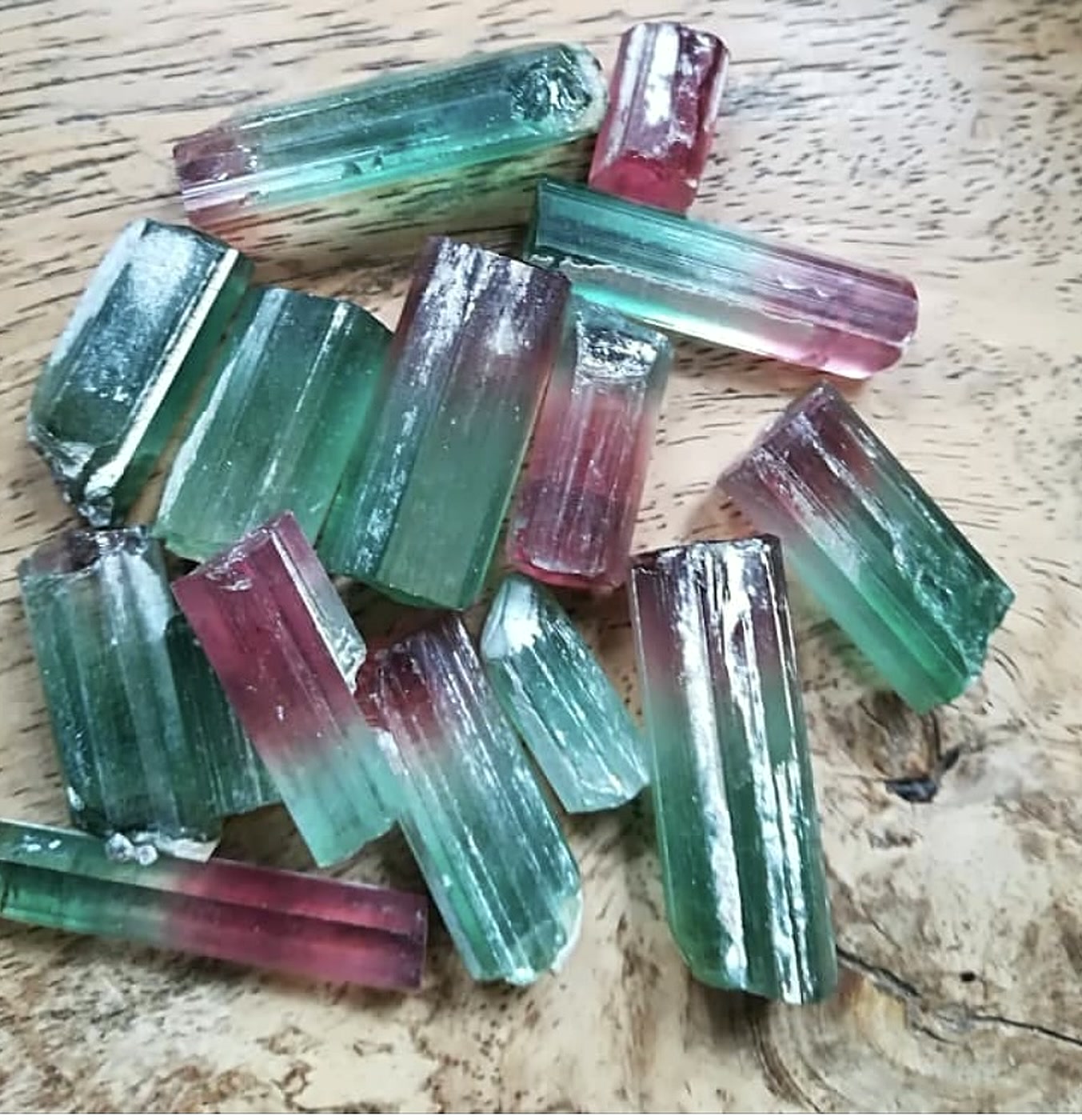
Watermelon Tourmaline

GG-S02 · Silicates

Watermelon Tourmaline

Bi-colour elbaite — pink core, green rind

Hardness
7–7.5
System
Trigonal
Formula
Na(Li₁.₅Al₁.₅)Al₆(Si₆O₁₈)(BO₃)₃(OH)₃(OH)
Host
Zoned pegmatite

Sliced across the c-axis, the zoning looks like a watermelon. Field photos from our own parcels; the cross-section is a reference image.

GG-S03 · Silicates

Green Tourmaline (Verdelite)

Dark green prismatic crystals

Hardness
7–7.5
System
Trigonal, deeply striated
Formula
Na(Li₁.₅Al₁.₅)Al₆(Si₆O₁₈)(BO₃)₃(OH)₃(OH)
Host
Granite pegmatite

Long striated prisms — near-black along the length, vivid green through the side.

GG-S04 · Silicates

Tourmaline in Matrix

Pink & green elbaite in quartz–feldspar

Hardness
6–7.5
System
Mixed aggregate (rock)
Formula
Elbaite + SiO₂ + KAlSi₃O₈
Host
Pegmatite pocket

A rock, not a single mineral: tourmaline locked in white quartz and feldspar.

GG-S05 · Silicates

Faceted Green Tourmaline

Emerald-cut (step-cut) gemstone

Hardness
7–7.5
System
Trigonal
Formula
Na(Li₁.₅Al₁.₅)Al₆(Si₆O₁₈)(BO₃)₃(OH)₃(OH)
Host
Cut from pegmatite rough

Rough to finished stone: step-cut for clean, saturated green.

GG-S06 · Silicates

Lilac Faceted Ring Stone

Oval faceted gem in silver halo setting

Hardness
6.5–7
System
Monoclinic / Trigonal
Formula
LiAlSi₂O₆ (if kunzite) · SiO₂ (if amethyst)
Host
Pegmatite

Pale lilac colour fits kunzite or light amethyst — identity pending gem-lab report. Not sold as either until confirmed.

GG-S08 · Silicates

Tourmaline Rough Lot

Mixed parcel, sorted for buyers

Hardness
7–7.5
System
Trigonal
Formula
Tourmaline group
Host
Alluvial & pegmatite

Bulk parcels graded by colour and clarity for export.

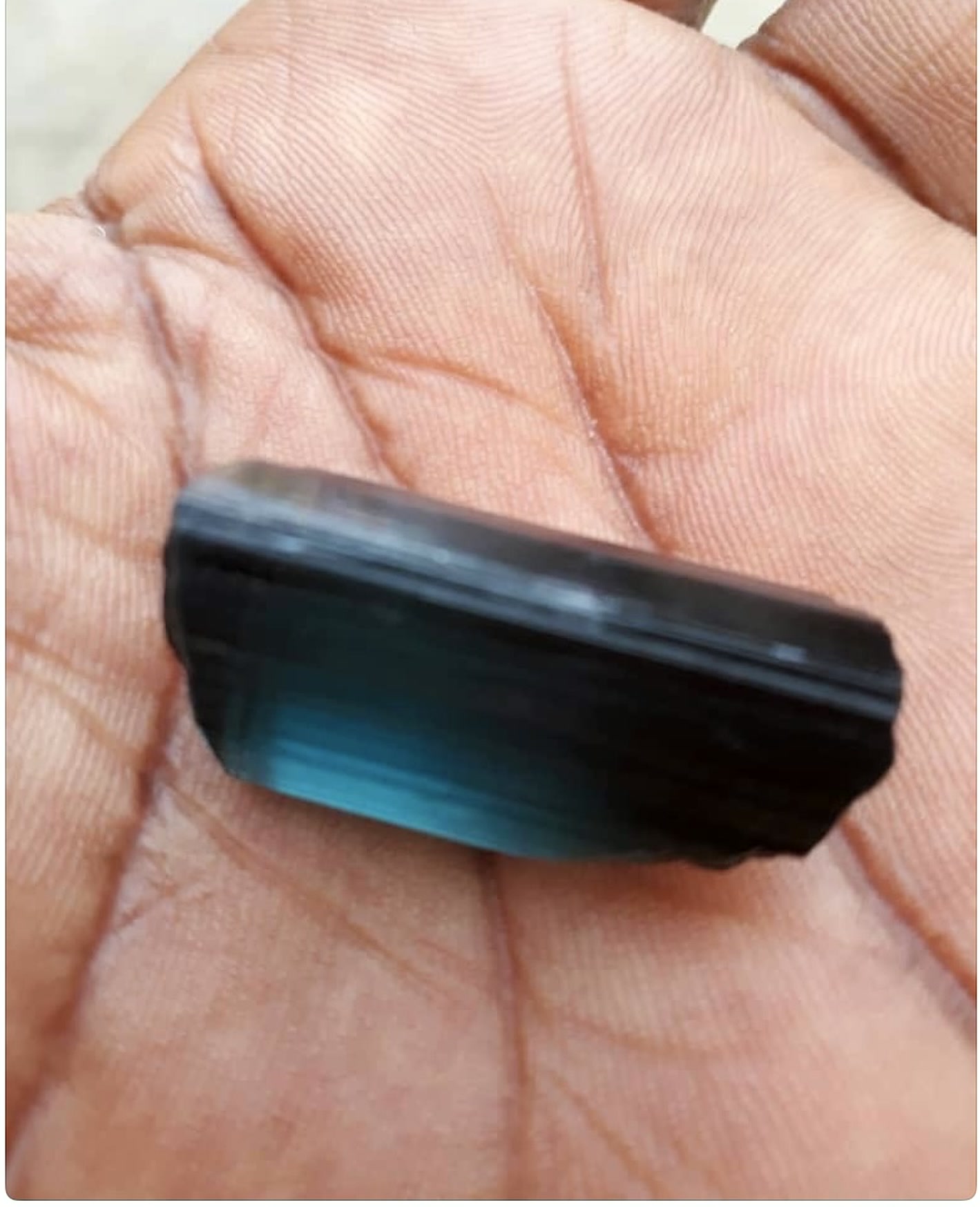
Indicolite (Blue Tourmaline)

GG-S09 · Silicates

Indicolite (Blue Tourmaline)

Blue-green elbaite prism

Hardness
7–7.5
System
Trigonal
Formula
Na(Li₁.₅Al₁.₅)Al₆(Si₆O₁₈)(BO₃)₃(OH)₃(OH)
Host
Granite pegmatite

The rarest tourmaline colour. Deep sea-blue down the length of the crystal.

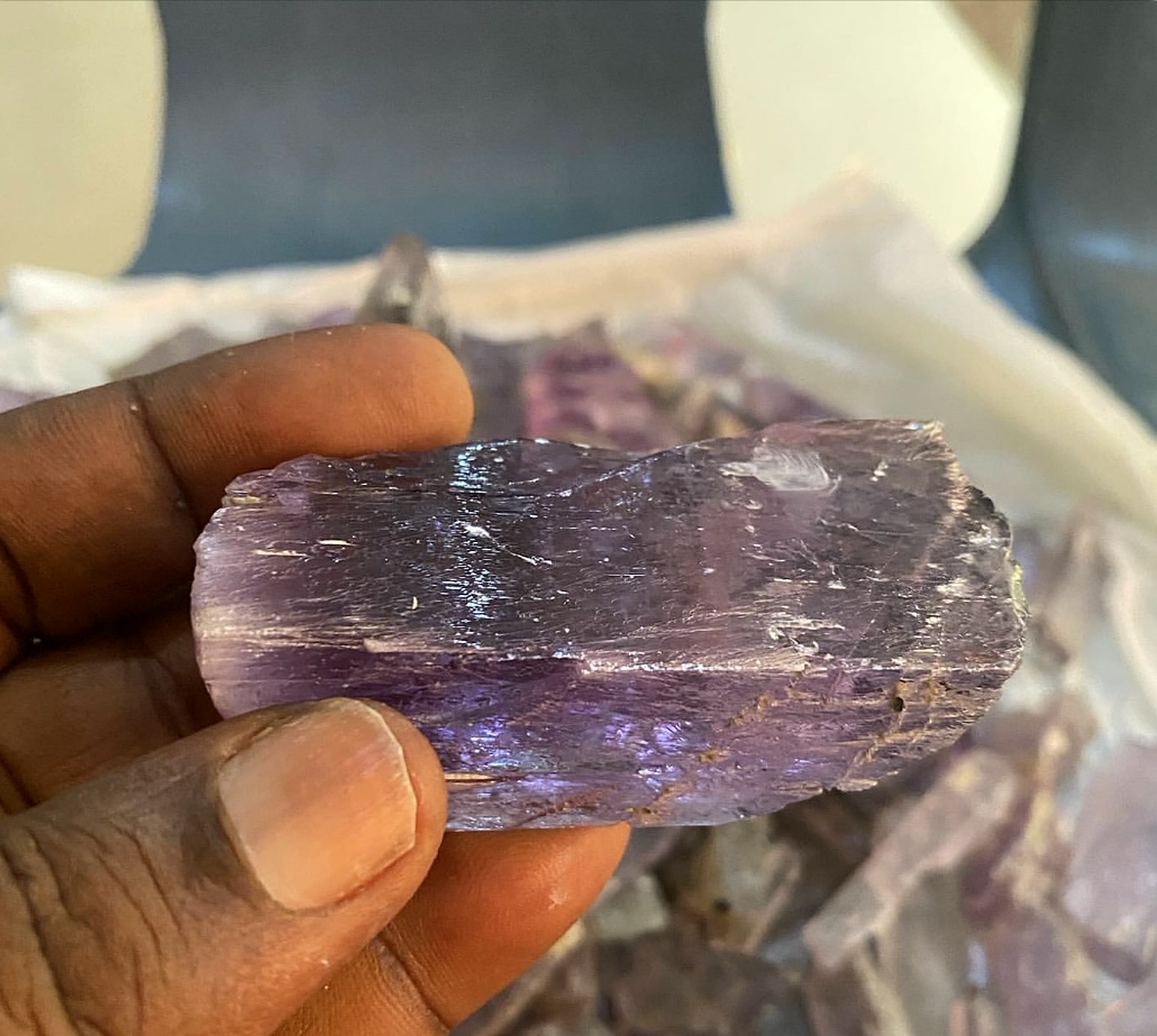
Kunzite (Spodumene)

GG-S10 · Silicates

Kunzite (Spodumene)

Lilac gem-grade crystal blade

Hardness
6.5–7
System
Monoclinic, striated
Formula
LiAlSi₂O₆
Host
Lithium pegmatite

Shown in hand at the sorting table. Strong cleavage — cut by experienced lapidaries only.

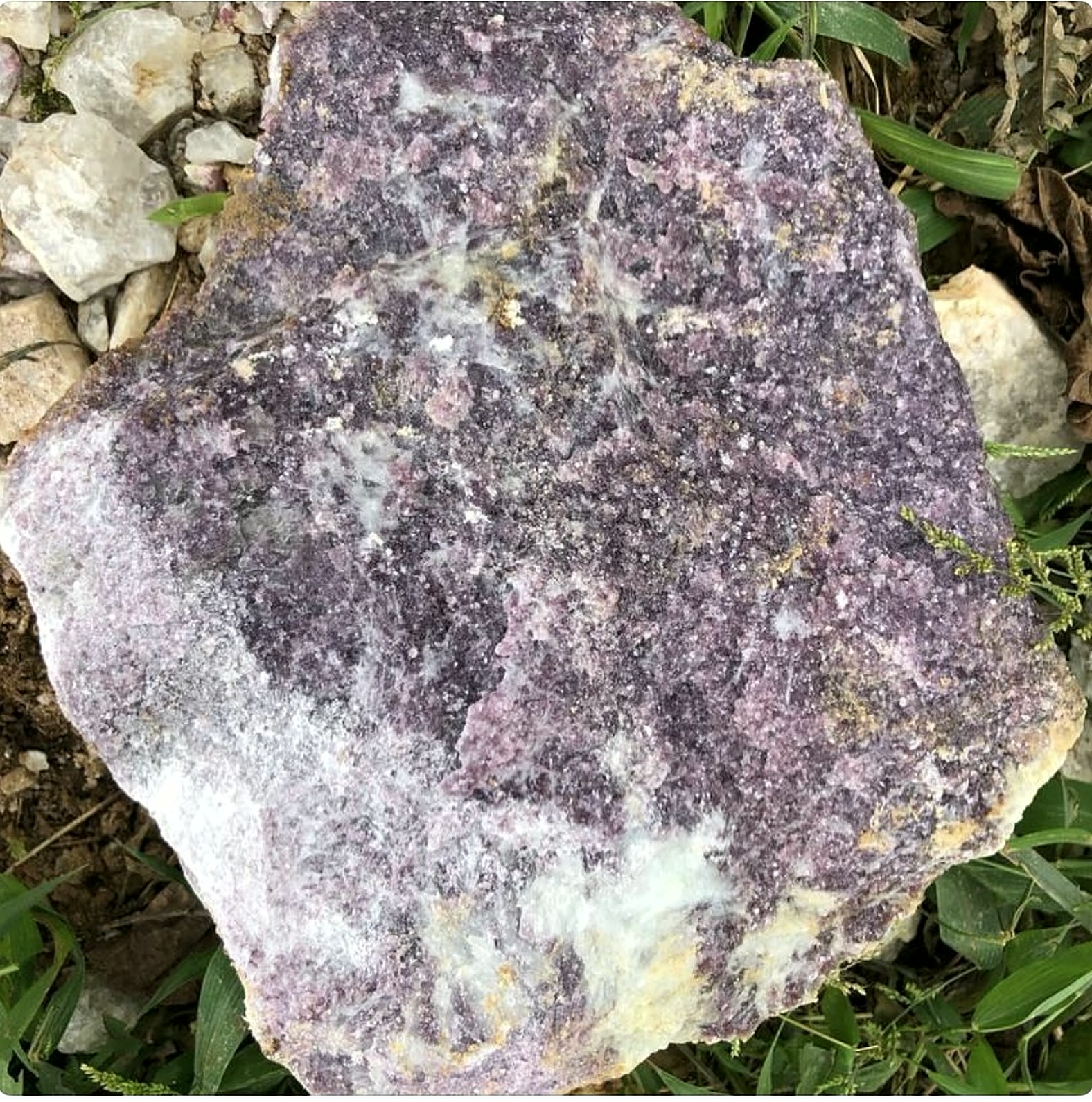
Lepidolite

GG-S11 · Silicates

Lepidolite

Massive lilac lithium mica

Hardness
2.5–3
System
Monoclinic (mica)
Formula
K(Li,Al)₃(Al,Si,Rb)₄O₁₀(F,OH)₂
Host
Lithium pegmatite

Boulder in the field and ore stockpile. A lithium and rubidium source.

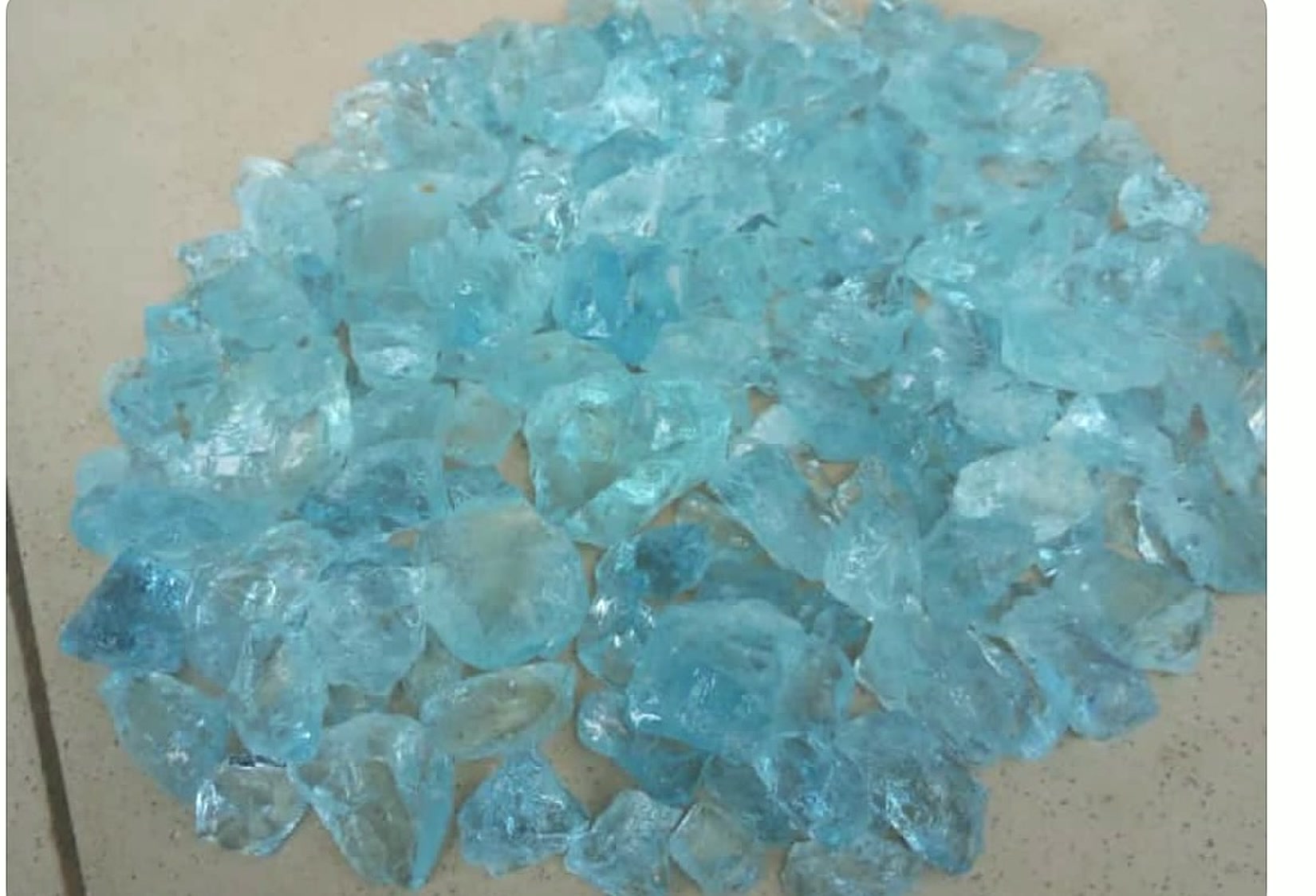
Aquamarine

GG-S12 · Silicates

Aquamarine

Sky-blue beryl rough parcel

Hardness
7.5–8
System
Hexagonal
Formula
Be₃Al₂Si₆O₁₈
Host
Granite pegmatite

Clean blue rough sorted for cutting.

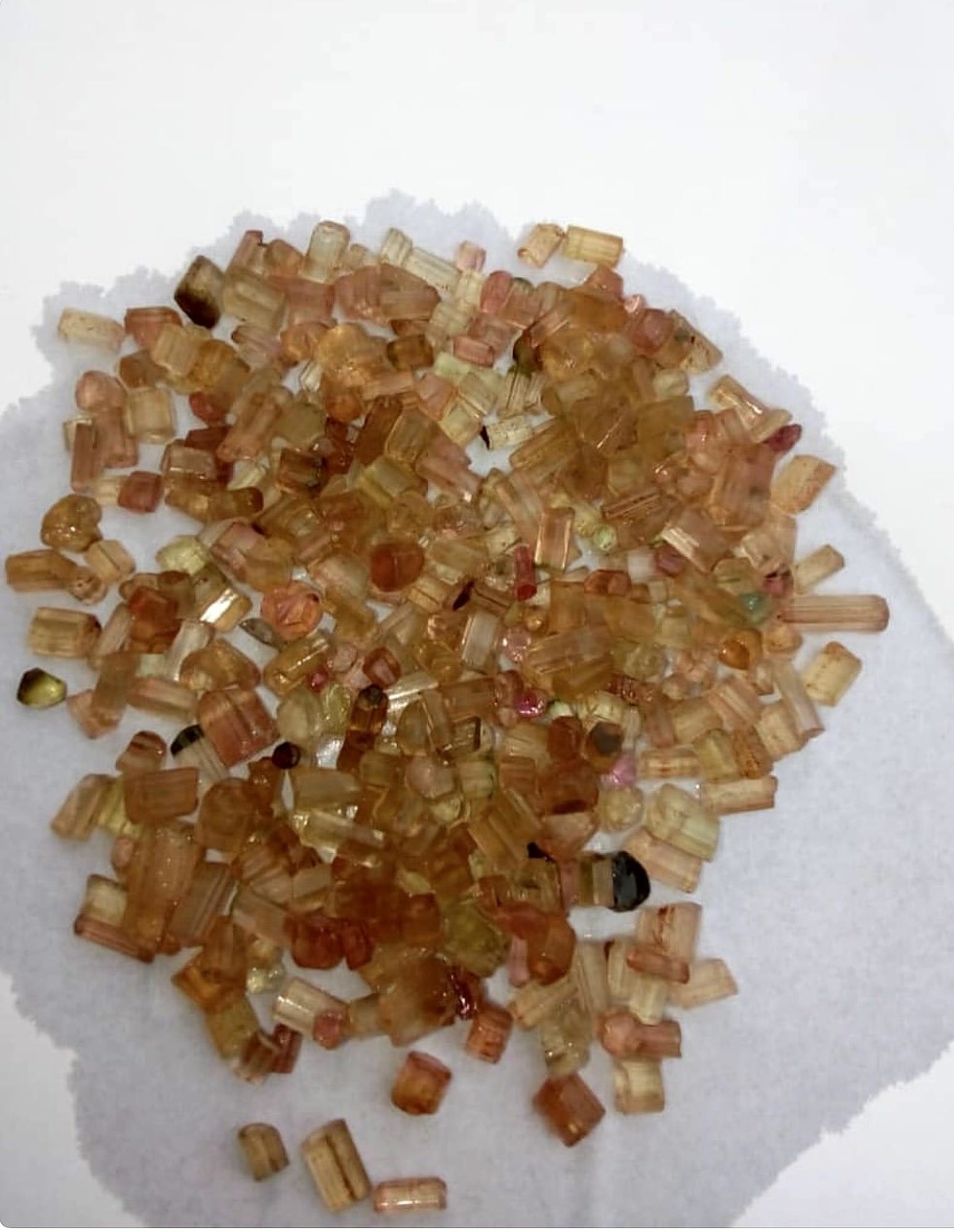
Peach & Honey Prisms

GG-S13 · Silicates

Peach & Honey Prisms

Small prismatic gem rough, warm colours

Hardness
≈7–8
System
Prismatic
Formula
Pending lab confirmation
Host
Pegmatite

Peach-to-honey crystals with a few pink and bi-colour pieces. Exact species pending gem-lab report.

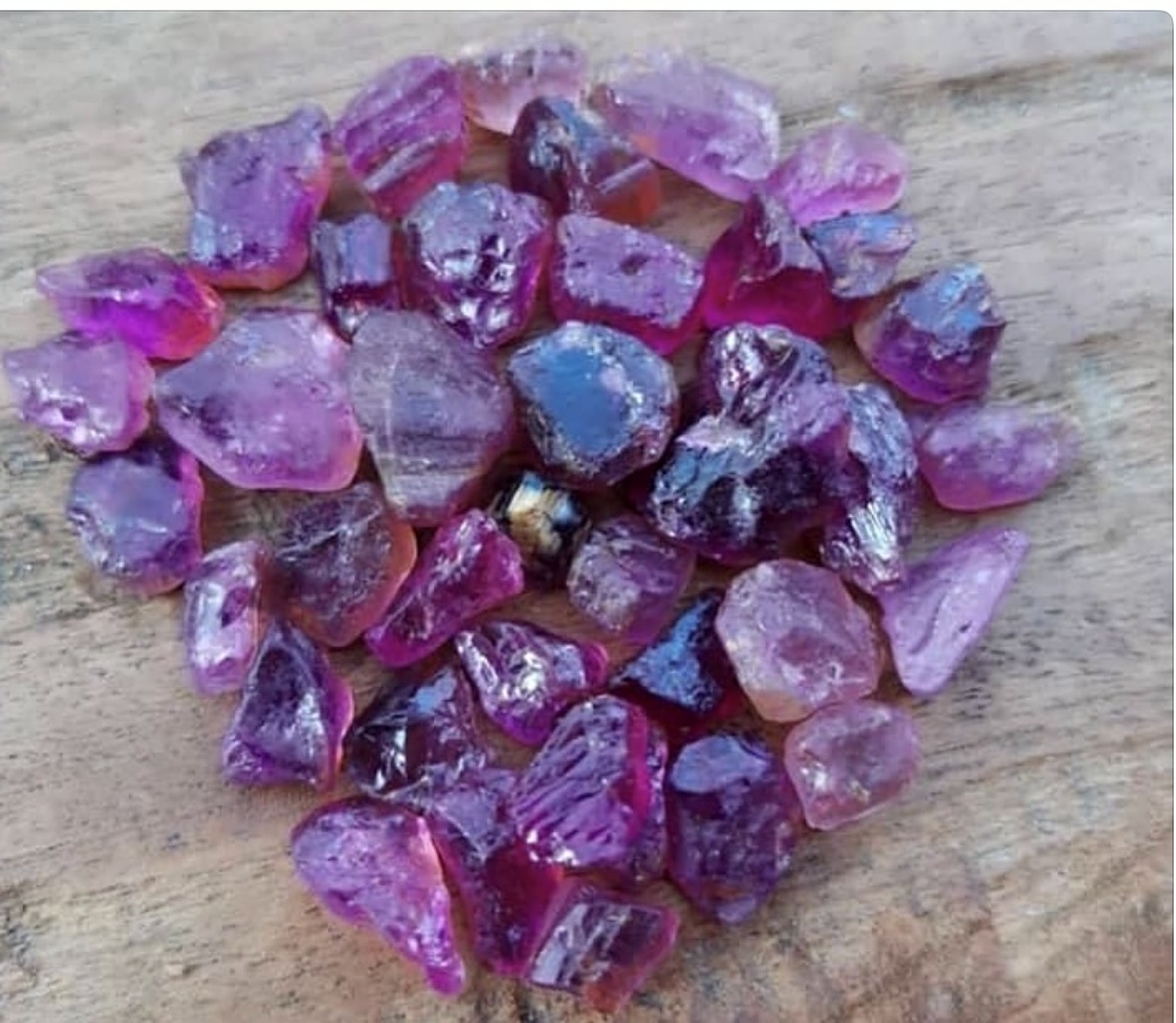
Purple & Magenta Gem Rough

GG-S14 · Silicates

Purple & Magenta Gem Rough

Facet-grade rough and water-worn pebbles

Hardness
≈7–9
System
Varies
Formula
Pending lab confirmation
Host
Alluvial gravels & pegmatite

Vivid purple to neon-magenta rough. Shown as found; species confirmed per stone by gem lab before sale.

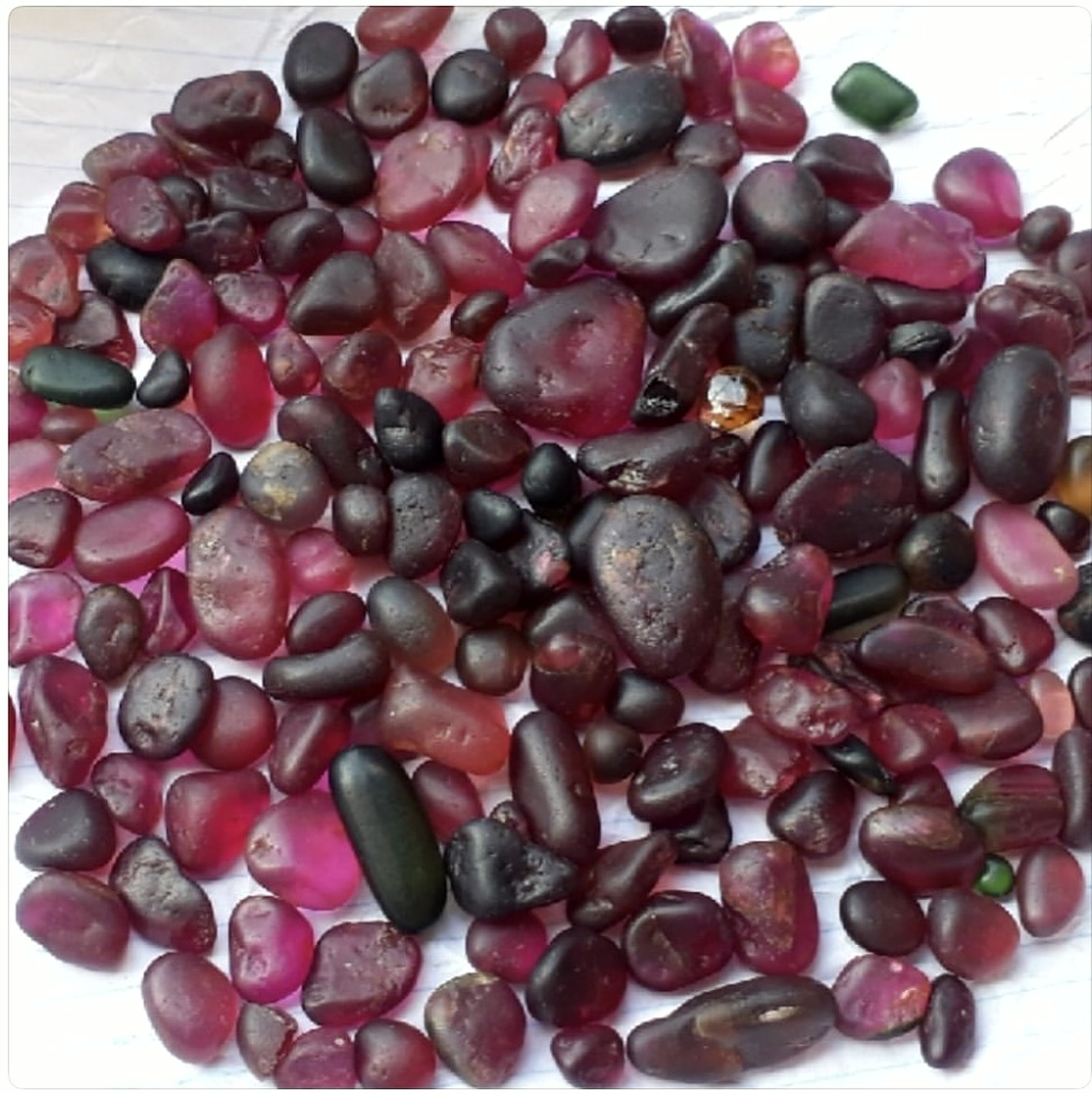
Alluvial Gem Gravel

GG-S15 · Silicates

Alluvial Gem Gravel

Mixed river-worn gem pebbles

Hardness
Varies
System
Varies
Formula
Mixed species
Host
River placers

How many gems are first found — tumbled smooth by water. Sorted by colour before grading.

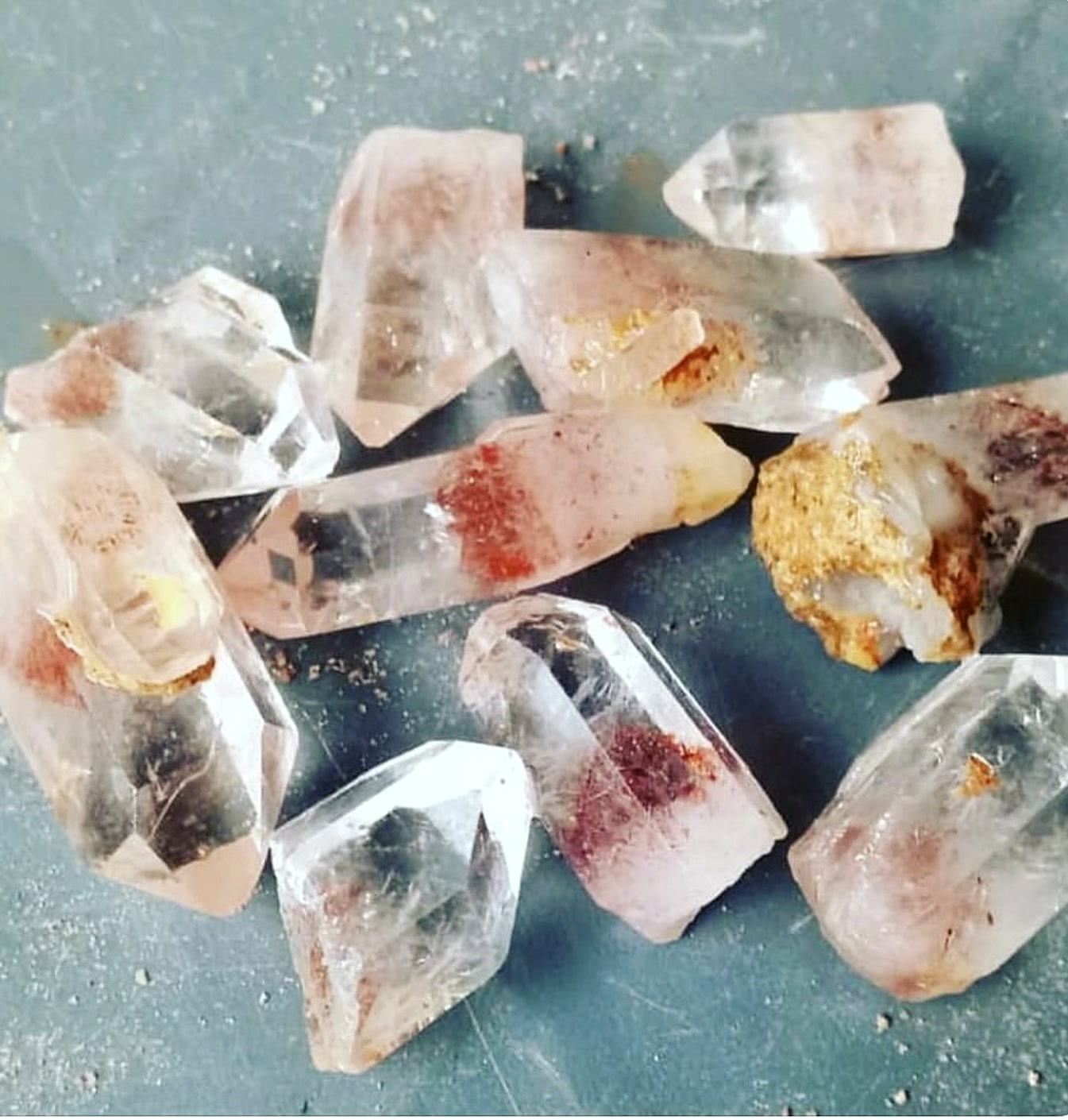
Hematoid Quartz

GG-S16 · Silicates

Hematoid Quartz

Quartz with red iron-oxide inclusions

Hardness
7
System
Trigonal
Formula
SiO₂ + Fe₂O₃
Host
Hydrothermal veins

Quartz coloured red by hematite trapped as it grew.

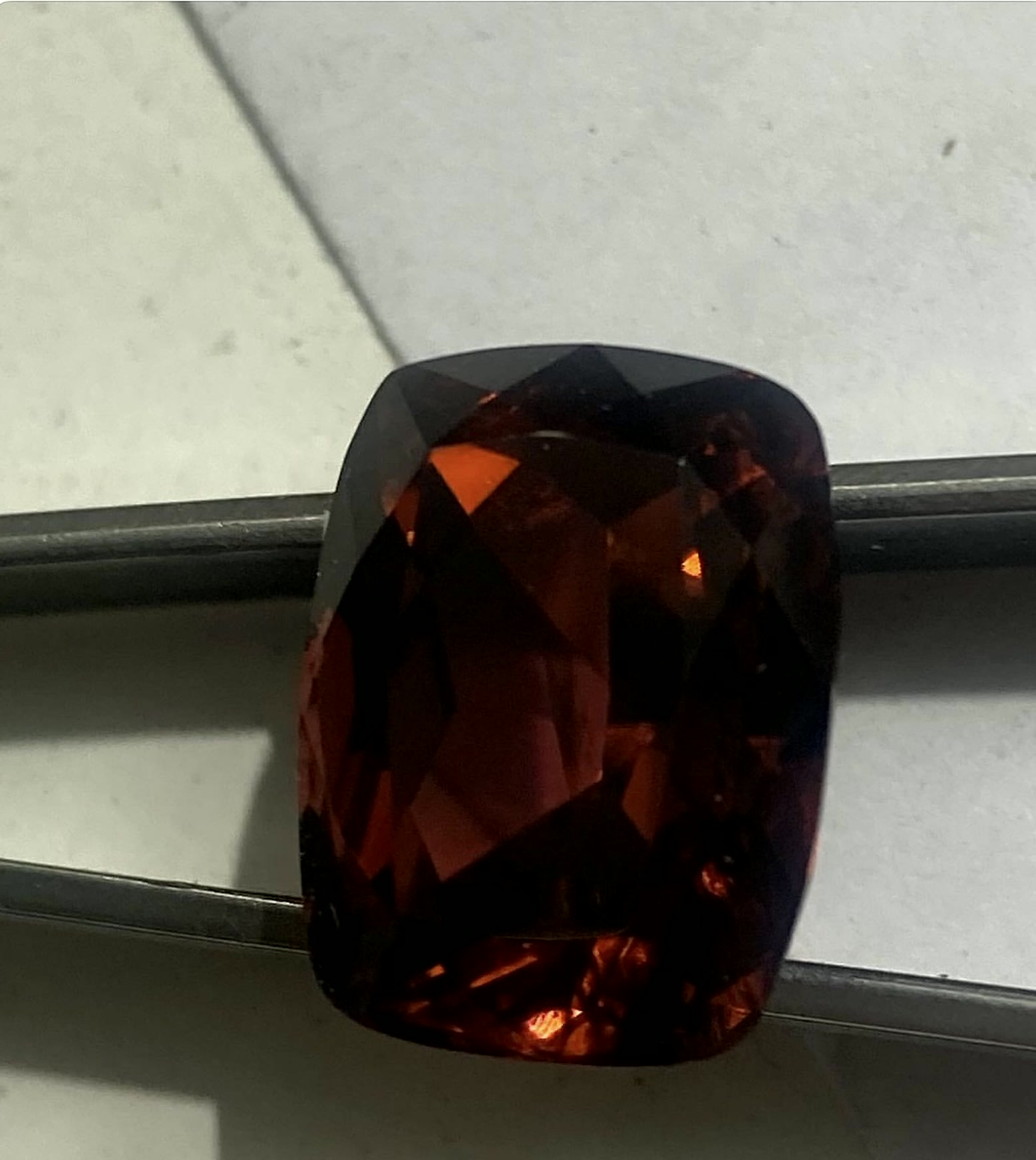
Faceted Fancy Gems

GG-S17 · Silicates

Faceted Fancy Gems

Cognac cushion & pink pear cuts

Hardness
≈7–7.5
System
—
Formula
Pending lab confirmation
Host
Cut from our rough

Finished stones from our own rough. Each stone goes with a lab report before sale.

GG-N01 · Native Elements

Gold

Alluvial gold nugget, from the field

Hardness
2.5–3
System
Cubic
Formula
Au
Host
Quartz veins, placers

Recovered on site — native gold, malleable and untarnished.

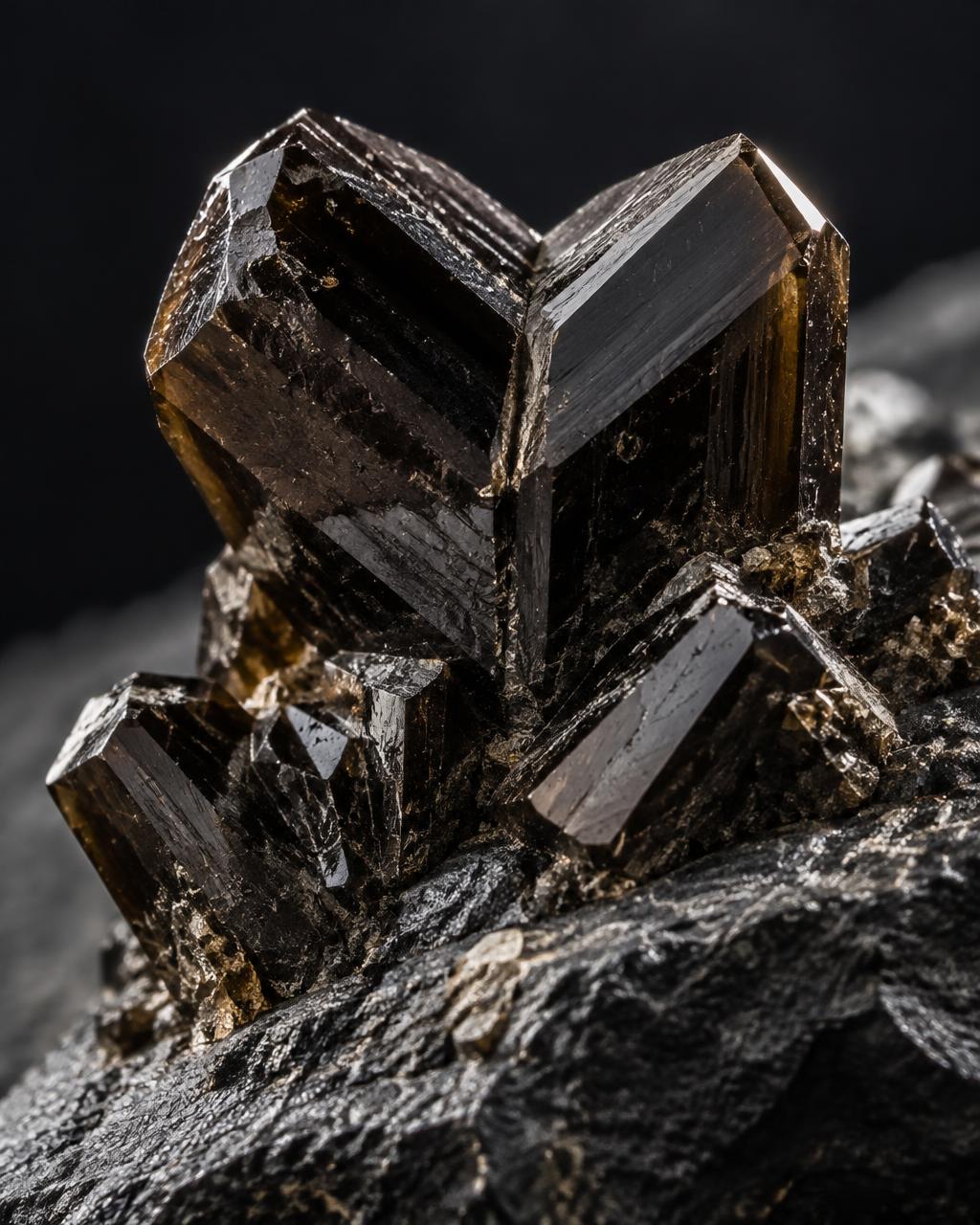
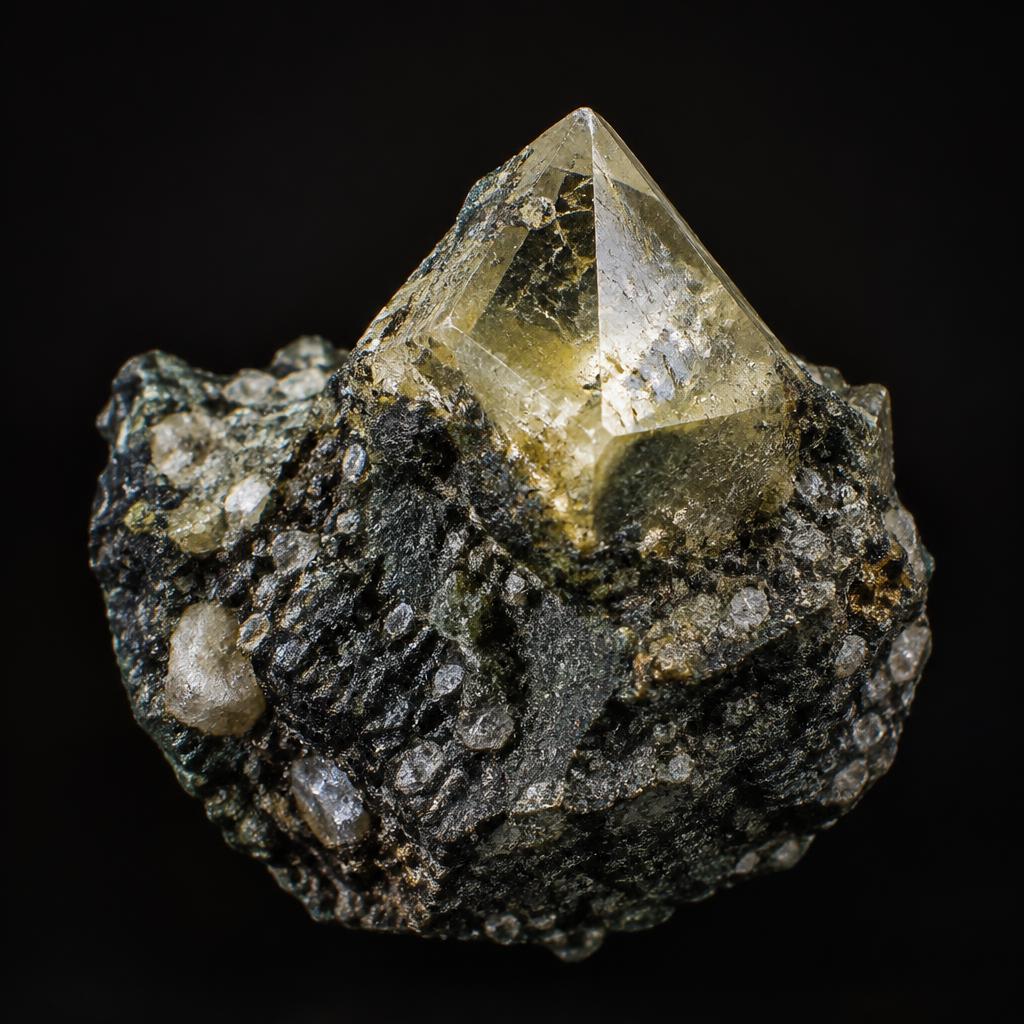
Cassiterite

GG-O01 · Oxides

Cassiterite

Tin ore

Hardness
6–7
System
Tetragonal
Formula
SnO₂
Host
Granite, placers

Historic Jos Plateau tin-field mineral. Reference photo.

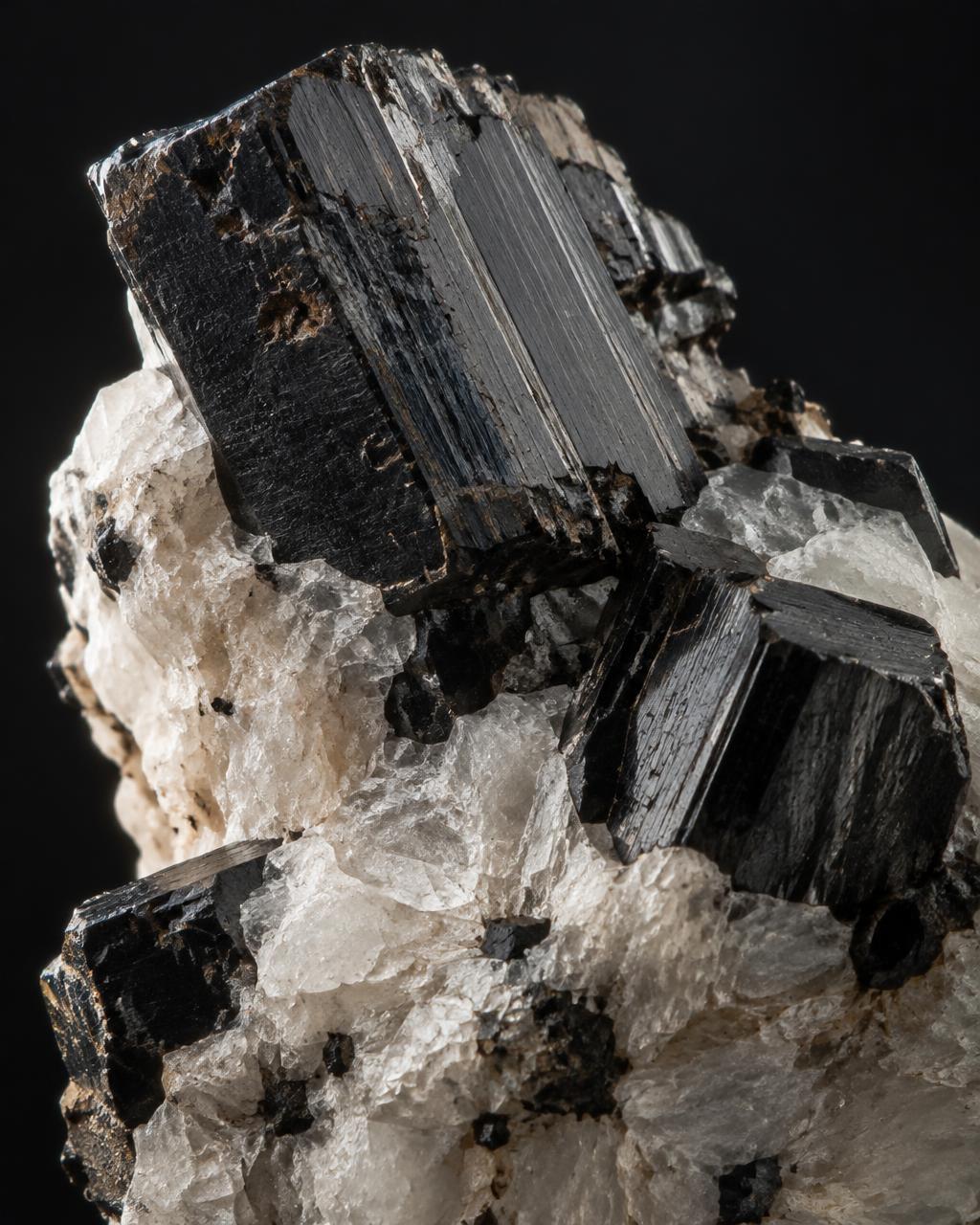
Columbite–Tantalite

GG-O02 · Oxides

Columbite–Tantalite

Coltan

Hardness
6–6.5
System
Orthorhombic
Formula
(Fe,Mn)(Nb,Ta)₂O₆
Host
Pegmatite

Critical mineral. Reference photo.

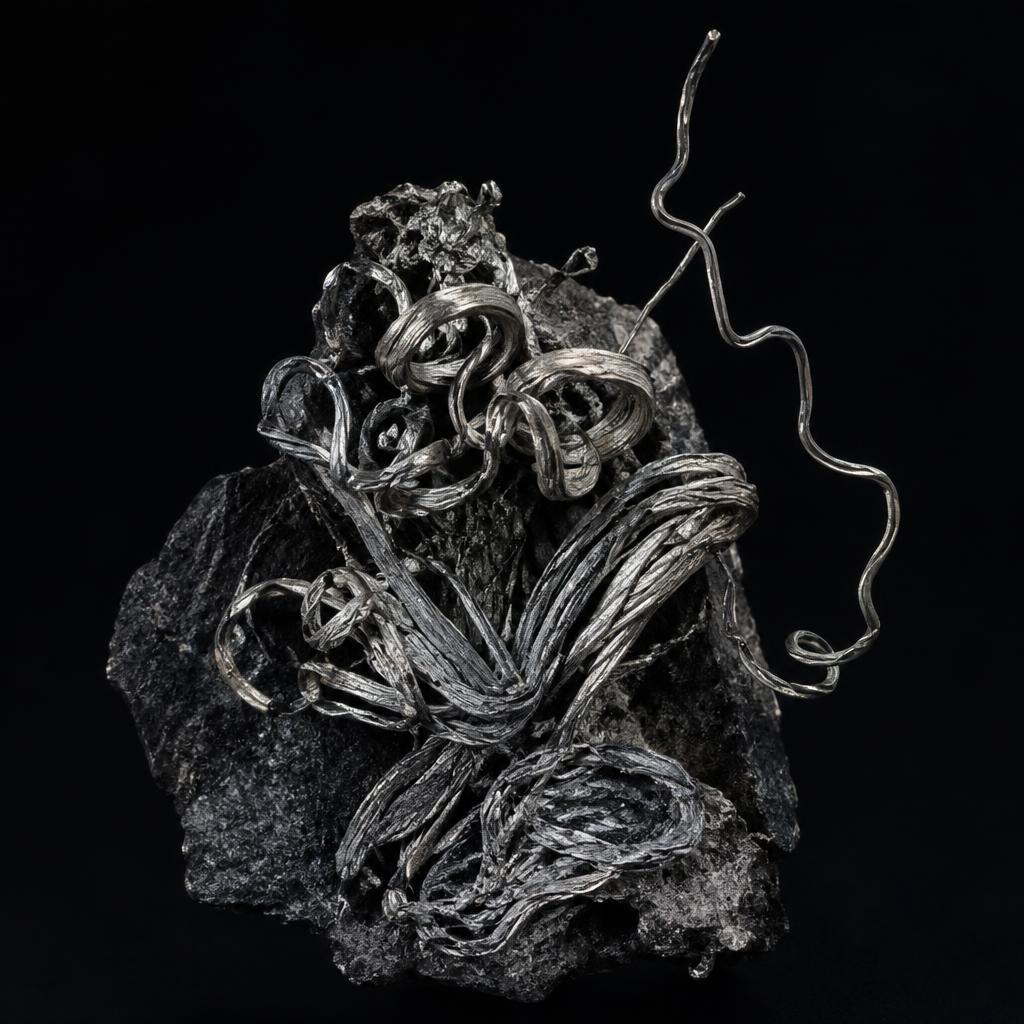
Silver

GG-N02 · Native Elements

Silver

Native silver wire

Hardness
2.5–3
System
Cubic
Formula
Ag
Host
Hydrothermal veins

Reference photo — illustrative museum specimen.

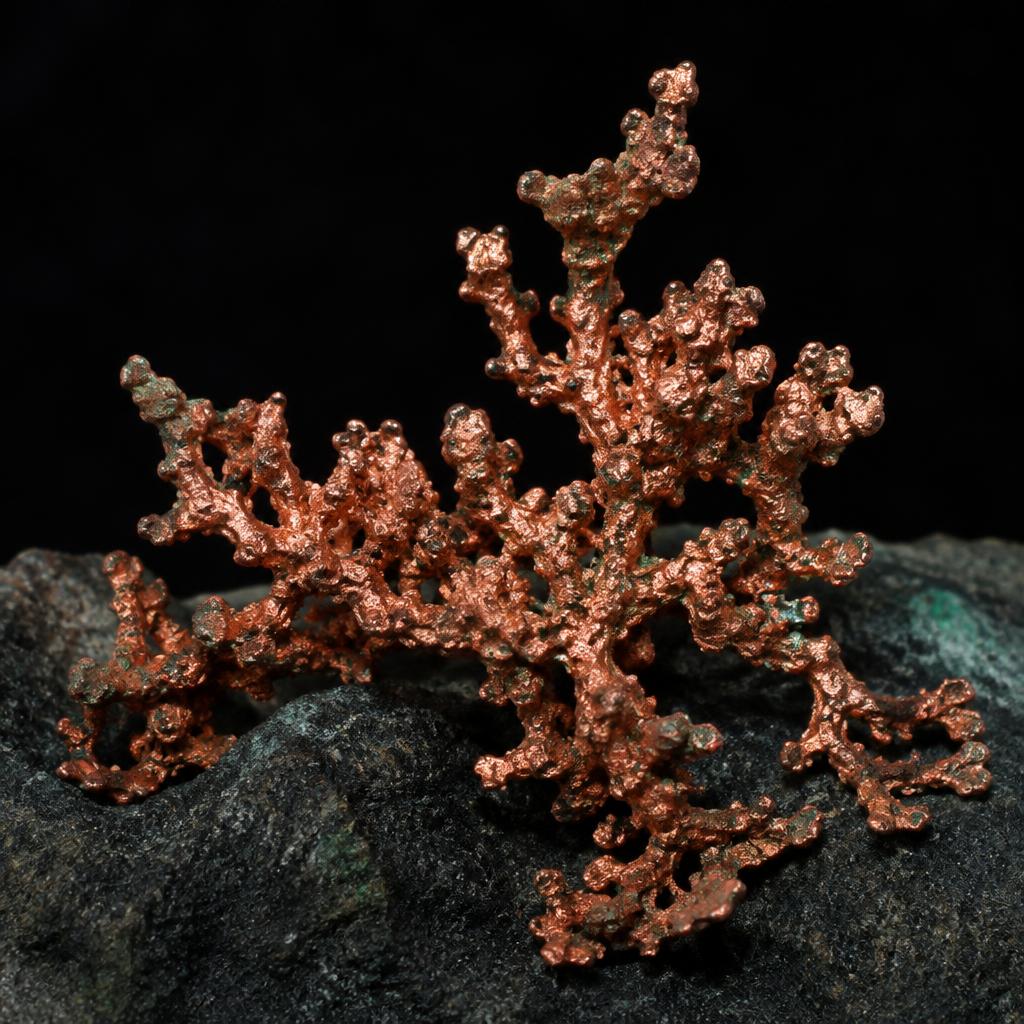
Copper

GG-N03 · Native Elements

Copper

Native copper dendrite

Hardness
2.5–3
System
Cubic
Formula
Cu
Host
Basalt & oxidised ore zones

Reference photo — illustrative museum specimen.

Diamond

GG-N04 · Native Elements

Diamond

Rough octahedral crystal in kimberlite

Hardness
10
System
Cubic (octahedral)
Formula
C
Host
Kimberlite, alluvial gravels

Reference photo — illustrative specimen, not from our stock.

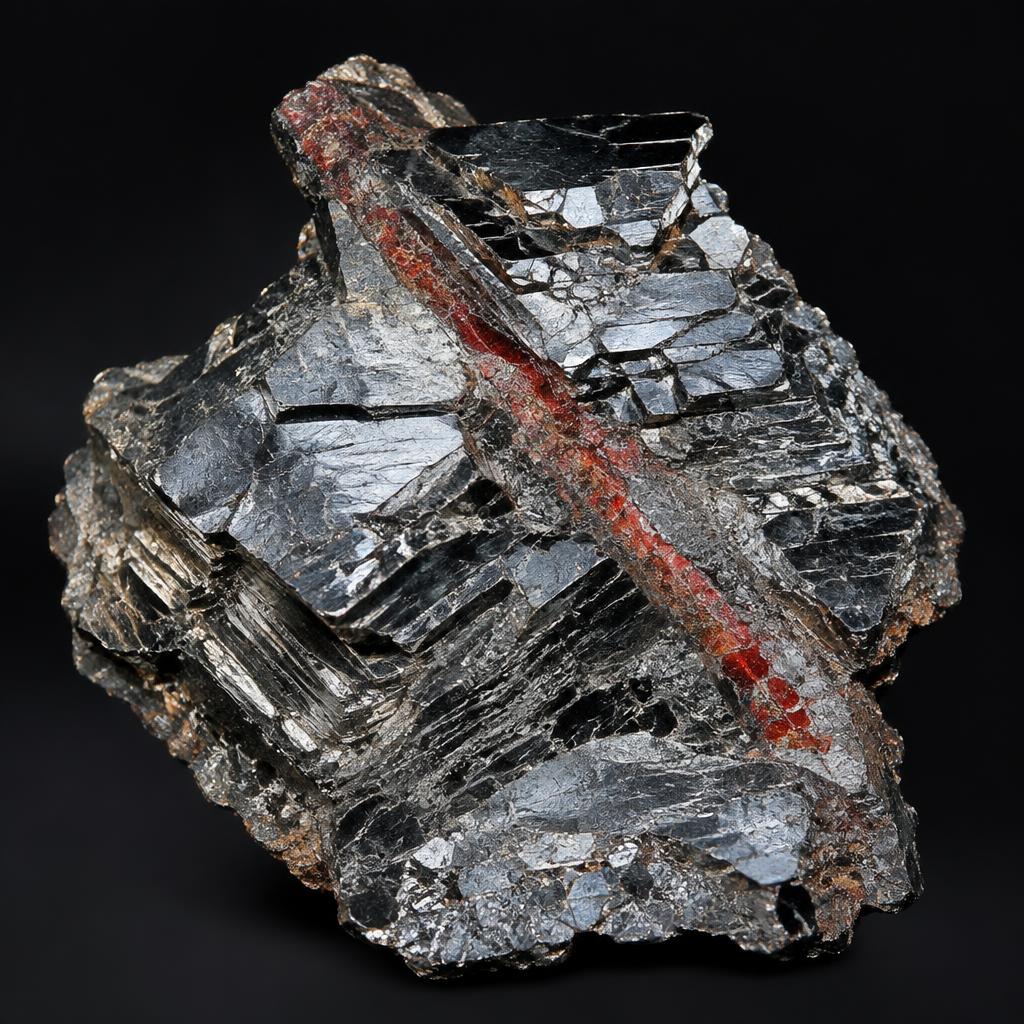
Hematite

GG-O03 · Oxides

Hematite

Specular iron ore

Hardness
5.5–6.5
System
Trigonal
Formula
Fe₂O₃
Host
Banded iron formations

Main iron ore — red-brown streak. Reference photo.

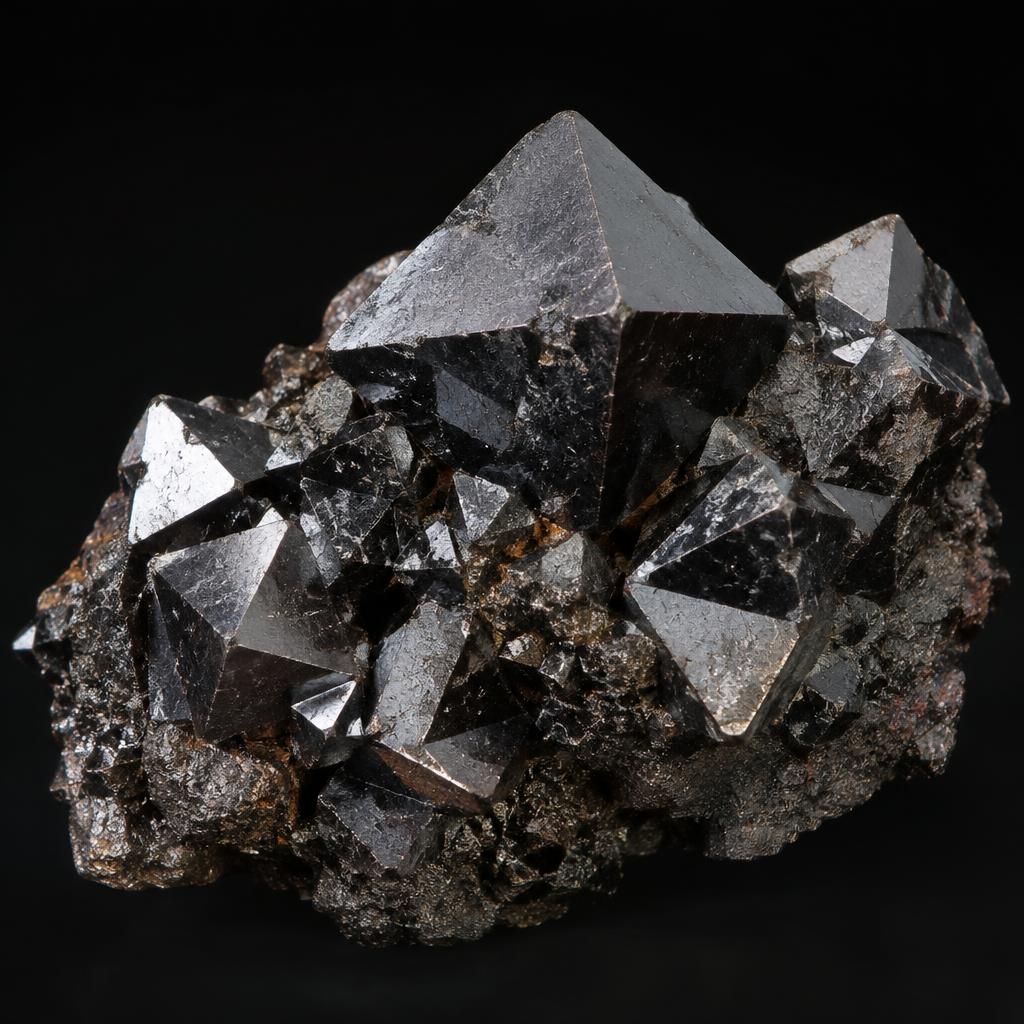
Magnetite

GG-O04 · Oxides

Magnetite

Octahedral iron oxide

Hardness
5.5–6.5
System
Cubic
Formula
Fe₃O₄
Host
Igneous & metamorphic rocks

Strongly magnetic iron ore. Reference photo.

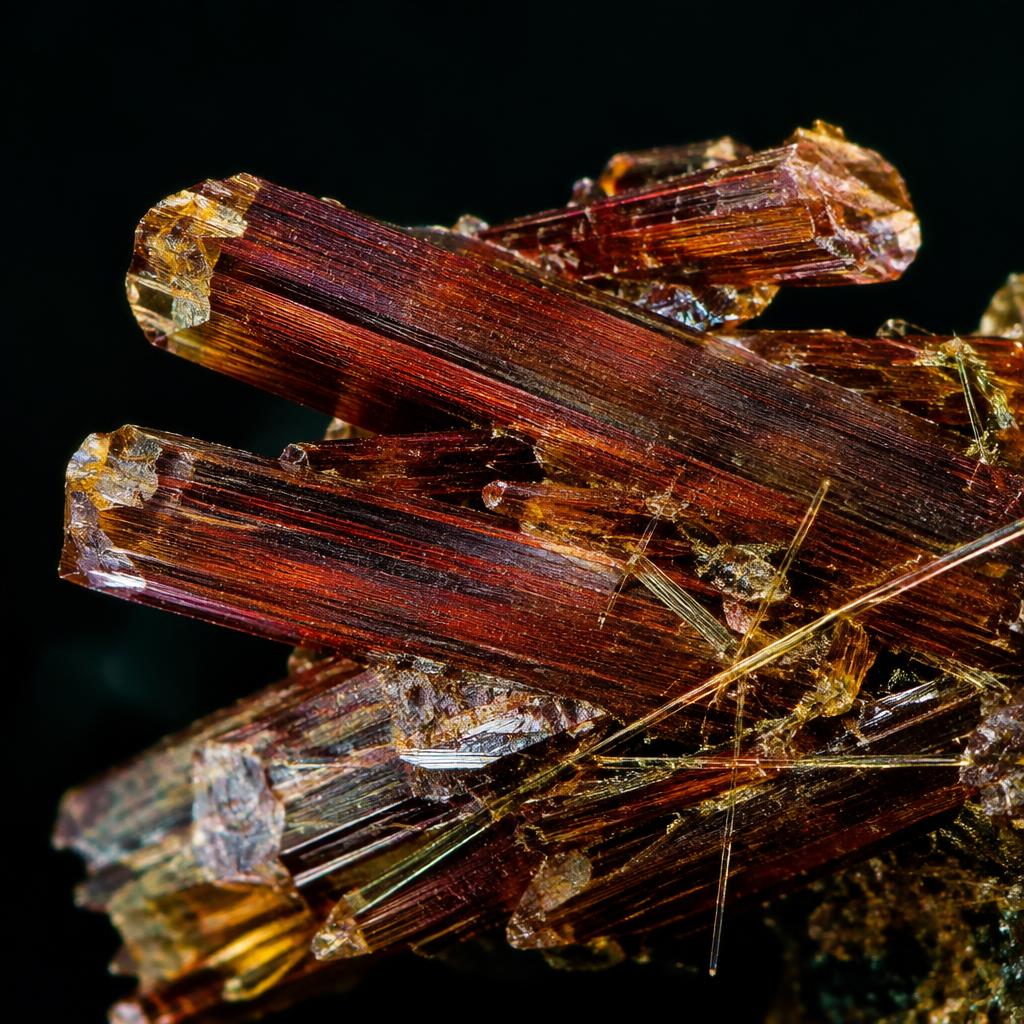
Rutile

GG-O05 · Oxides

Rutile

Titanium dioxide prisms

Hardness
6–6.5
System
Tetragonal
Formula
TiO₂
Host
Pegmatite, beach sands

Titanium ore. Reference photo.

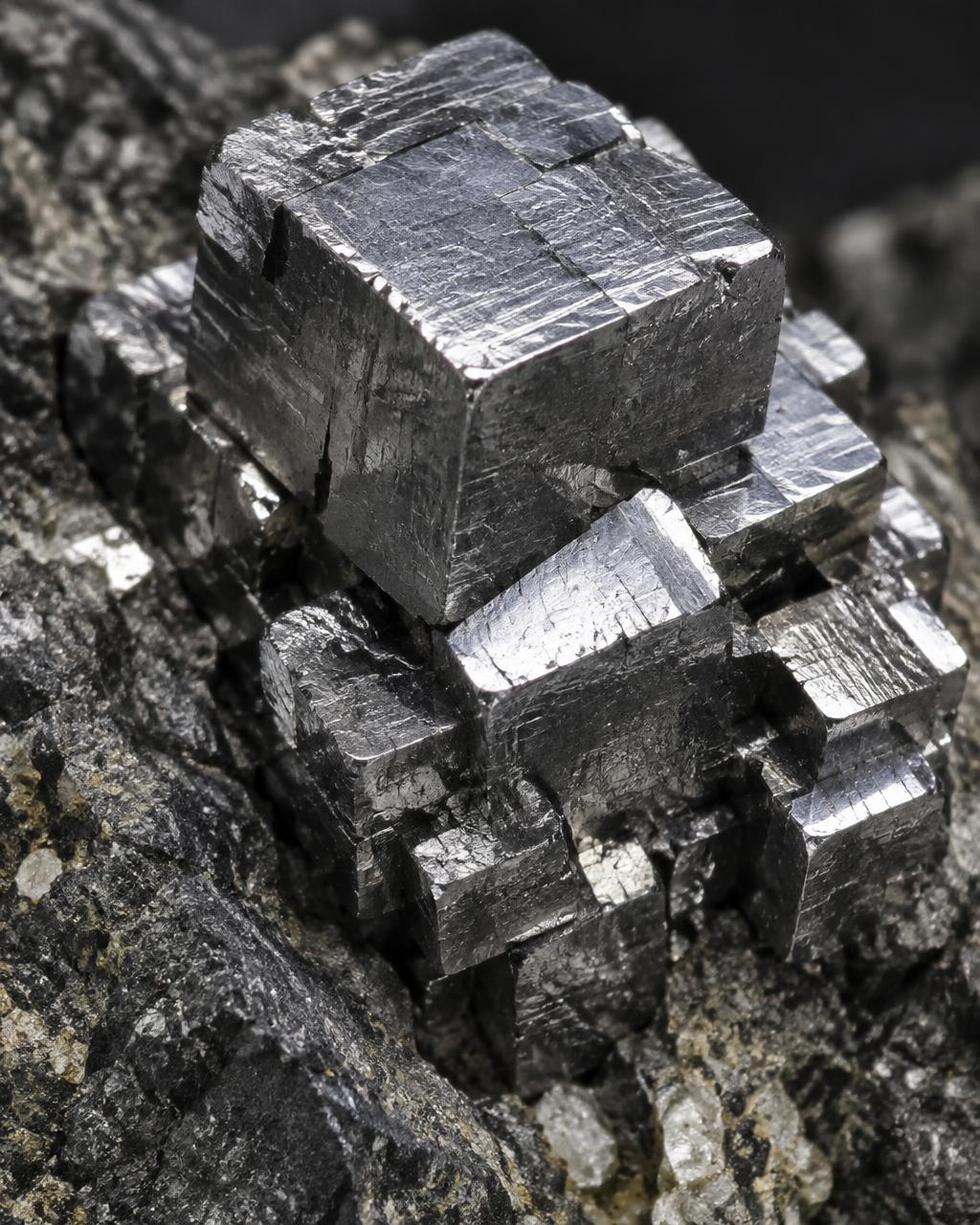
Galena

GG-SU1 · Sulfides & Sulfates

Galena

Lead ore

Hardness
2.5–2.75
System
Cubic
Formula
PbS
Host
Hydrothermal veins

Benue Trough lead–zinc belt. Reference photo.

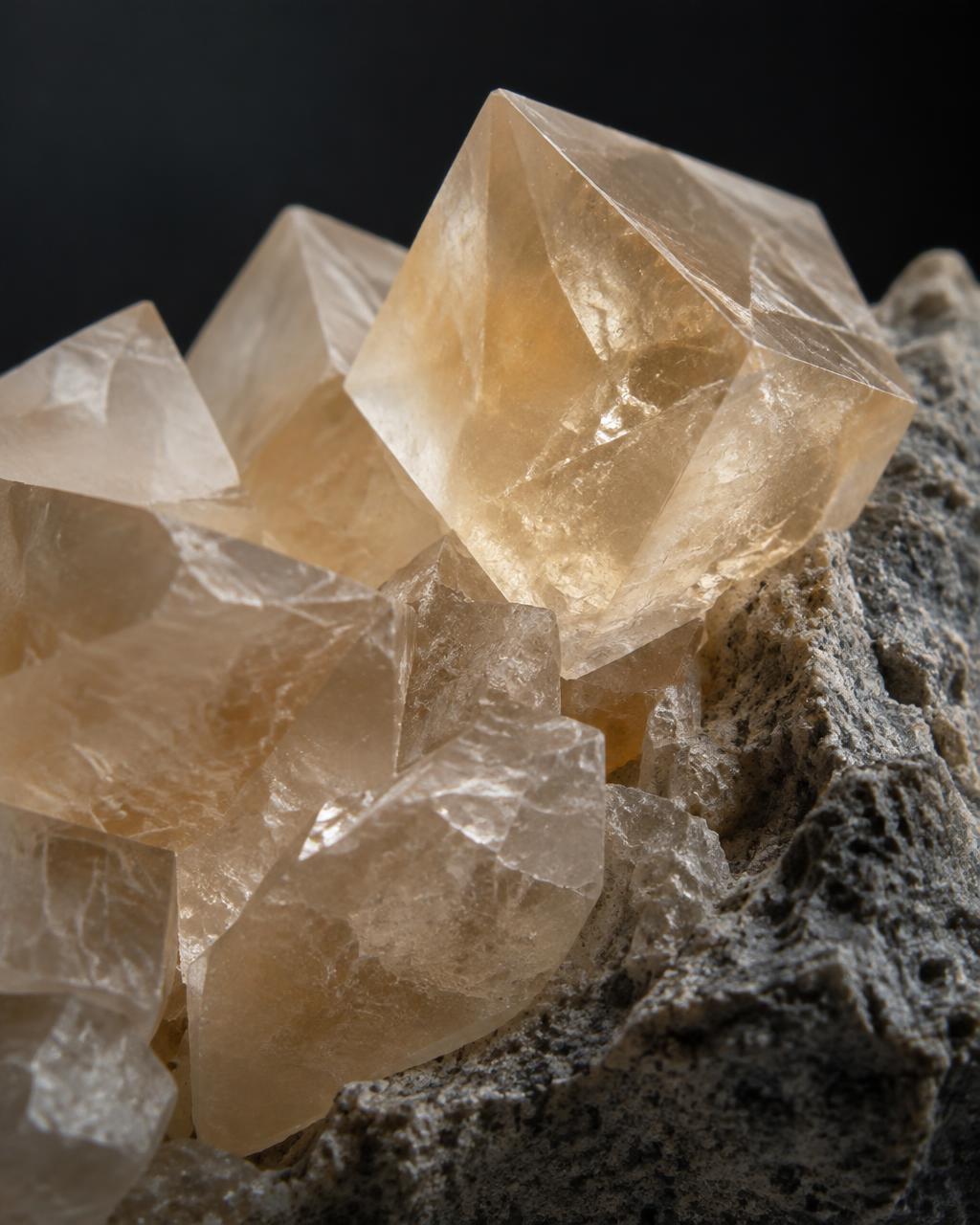
Calcite / Limestone

GG-C01 · Carbonates

Calcite / Limestone

Industrial carbonate

Hardness
3
System
Trigonal
Formula
CaCO₃
Host
Sedimentary basins

Cement and construction feedstock. Reference photo.

Classification

Types of minerals

Silicates

Silicon + oxygen. Over 90% of Earth's crust.

Quartz, Feldspar, Mica, Tourmaline, Lepidolite

Carbonates

Carbon + oxygen.

Calcite

Halides

Salts of halogen elements.

Halite

Oxides

Oxygen bonded to a metal.

Hematite, Magnetite, Cassiterite

Sulfides & Sulfates

Contain sulfur.

Pyrite, Galena, Gypsum

Native Elements

A single element.

Gold, Silver, Copper, Diamond

Types of stones (rocks)

Igneous

Cooled from magma or lava.

Granite, Basalt, Pumice — and the pegmatites that host our tourmaline.

Sedimentary

Particles accumulated and compressed in layers.

Sandstone, Limestone, Shale.

Metamorphic

Transformed by heat and pressure without melting.

Marble from limestone, Slate from shale.