
OPERATIONAL LIFECYCLE
Mine to Machine
Trace a mineral's journey, from an ore body hidden in pegmatite to the battery, turbine or ring it ends up in.
01
Exploration & Prospecting
Satellite imagery, seismic surveys and core drilling locate the ore body; core samples establish grade and size.
Core samples & ore-body models
02
Site Design & Planning
Mine design, environmental impact assessment, permits, roads, power, water and waste systems.
Infrastructure & safeguards
03
Construction
Clearing, access roads, utilities, processing plant and accommodation built before a single tonne moves.
Site build-out
04
Extraction
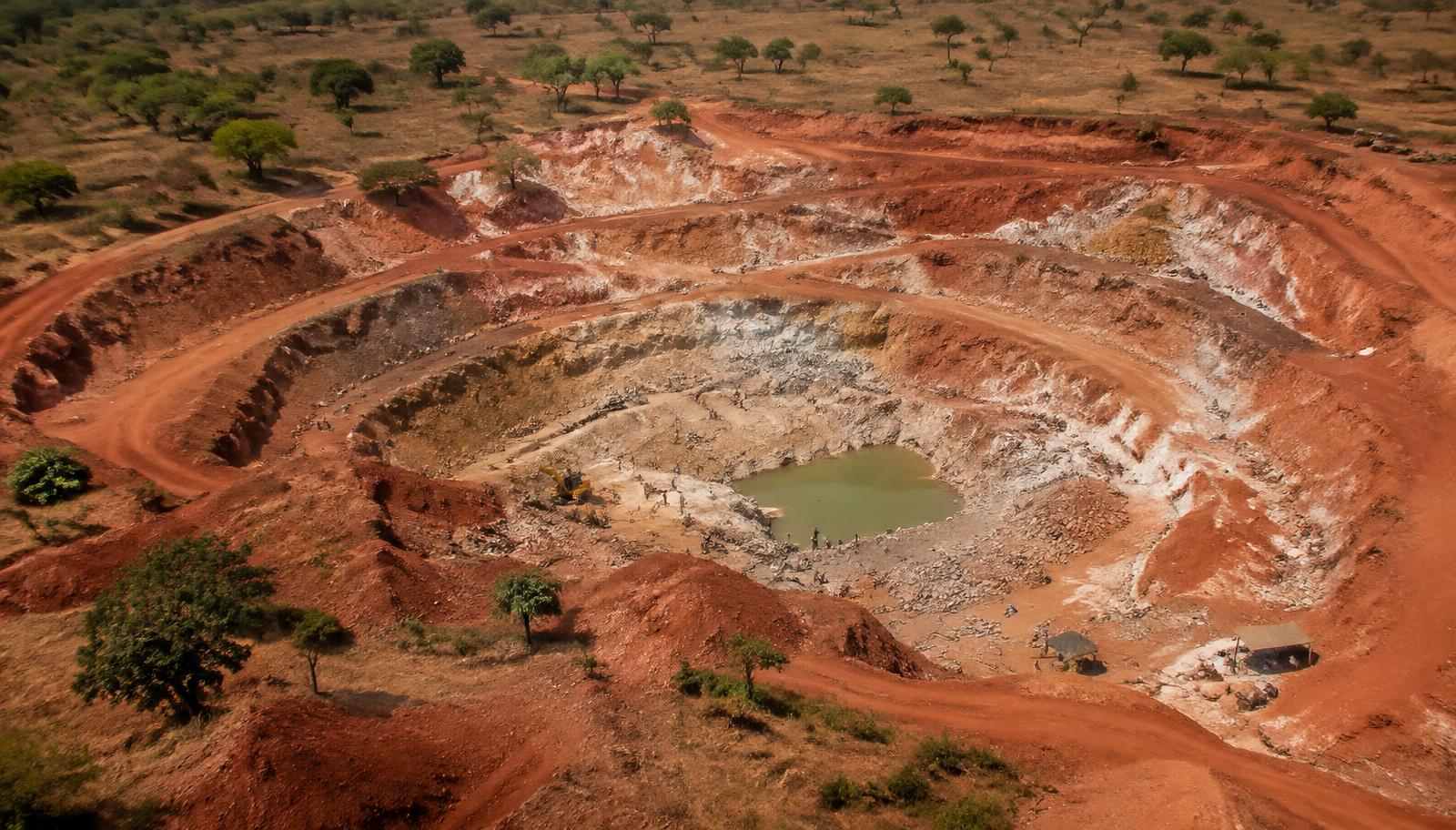
Surface mining (open-pit, strip) for shallow deposits; underground shafts and tunnels for deep ore.
Open-pit vs underground
05
Processing (Beneficiation)
Ore is crushed and ground; flotation, leaching or magnetic separation split value from tailings.
Ore separated from tailings
06
Smelting & Refining
Heat and chemistry strip remaining impurities into pure metal or finished mineral.
Raw mineral to pure element
07
End-Use Application
Lithium in an EV battery, copper in a wind turbine, tourmaline in a ring.
Mine to machine
08
Closure & Reclamation
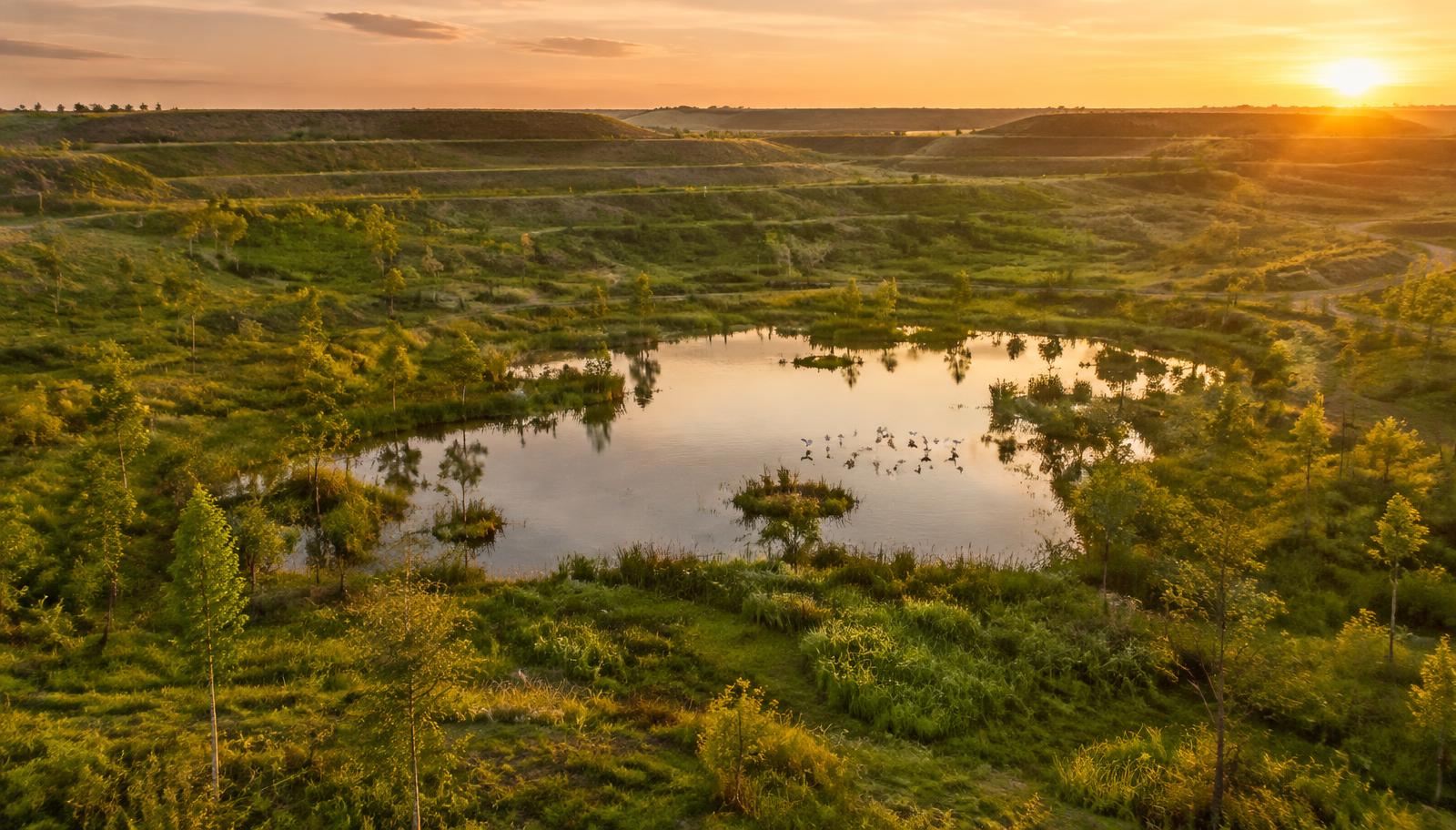
Stabilise ground, treat water, seal shafts and replant — returning the land to nature.
Restored habitat
Primary extraction methods
Surface mining
For shallow deposits — cheaper and safer, larger surface footprint. Open-pit (copper, diamonds) and strip mining (coal).
Underground mining
For deep ore — vertical shafts and horizontal tunnels. Costlier and riskier, but a smaller surface impact.